The body holds what the mind tries to forget. Regression therapy offers a way to finally let it go.
When Conventional Therapy Leaves Questions Unanswered
You have done the cognitive work. You have explored your childhood, identified the patterns, talked through the relationships. And yet something persists — a fear that does not yield, a dynamic that keeps replaying, a grief that feels older than this lifetime. For a growing number of therapists and clients, past life regression offers a framework for exploring what lies below the reach of conventional approaches.
The Therapeutic Logic of Regression
Past life regression therapy operates on a premise that is simple to state but profound in its implications: unresolved experiences from previous lifetimes can leave imprints that manifest in the current life as symptoms, patterns, or blocks. By accessing and «resolving» these experiences in session — understanding them, releasing the associated emotions, and integrating the lessons they carry — the imprint may be dissolved.
Whether or not past lives are literally real, this model has a functional parallel in current-life psychotherapy. Narrative therapy, for instance, helps clients rewrite the stories that govern their behavior. EMDR (Eye Movement Desensitization and Reprocessing) helps clients process traumatic memory and reduce its emotional charge. In both cases, the therapeutic mechanism involves revisiting and reprocessing a difficult experience. Past life regression may operate through a similar mechanism — the specific temporal origin of the narrative being less important than the process of giving it conscious attention and resolution.
This is not a fringe position. Psychiatrist Brian Weiss, a graduate of Yale Medical School and Columbia University, initially approached past life reports from his patients with deep skepticism. His account of a patient whose dramatic improvement following a regression session he could not explain through any conventional framework led him to investigate the phenomenon seriously. His 1988 book «Many Lives, Many Masters» became an international bestseller and introduced millions of readers to the therapeutic potential of regression work.
Phobias: When Fear Has No Present-Life Source
Phobias are among the most frequently cited targets for past life regression therapy. Standard behavioral approaches — exposure therapy, cognitive restructuring — are effective for many phobias, but some clients report persistent fears that do not respond to these methods and that cannot be traced to any traumatic event in their current biography.
Regression practitioners work with phobias by guiding clients to the past life experience from which, they believe, the fear originated. Common examples include fear of water correlated with drowning in a past life, claustrophobia linked to being buried alive or imprisoned, and fear of heights connected to falling or execution. In the regression session, the client is guided through the experience with the support of the therapist, and invited to understand it from the soul’s larger perspective.
Clients frequently report significant reduction in their phobic response following such sessions. These reports are anecdotal and not the product of controlled clinical trials, but they are consistent across many practitioners and cultural contexts.
Trauma: Processing What Conventional Memory Cannot Access
Some clients seek regression therapy after exhausting conventional trauma treatment for symptoms that seem disproportionate to their known history. When a trauma response is intense enough to significantly impair functioning but no corresponding event can be found in the current lifetime, regression therapists argue that a past life origin may be worth exploring.
The approach in session mirrors trauma-informed practice: the client is never pushed into overwhelming material, and the therapist maintains a stabilizing presence throughout. Many regression therapists are also trained in conventional trauma modalities, which informs how they navigate this territory responsibly.
It is important to note that past life regression is not a substitute for professional psychiatric care in cases of severe trauma, PTSD, or complex trauma histories. Responsible practitioners conduct thorough intakes, refer clients to appropriate mental health professionals when needed, and do not treat regression as a cure-all.
Relationship Patterns: The Karmic Thread
Many clients describe their most compelling reason for seeking regression as a relationship — a bond that carries an intensity, a charge, or a painfulness that seems to exceed what the current biography explains. The idea of karmic relationships — bonds that carry across lifetimes, bringing unresolved dynamics that seek completion — resonates deeply with people who have experienced this kind of connection.
In regression sessions focused on relationship patterns, clients may encounter the previous lifetime in which a relationship dynamic began, understand the context that shaped it, and — importantly — make new choices about how they want to relate in the current life. This can be profoundly liberating for people who have felt helpless within a relational pattern that seemed both irresistible and harmful.
Soul-Level Insights: Purpose, Meaning, and Direction
Beyond specific symptoms, many clients seek regression for existential reasons — a sense of purposelessness, a question about why they chose their particular life circumstances, or a desire to understand the larger arc of their soul’s development. Life Between Lives regression, in particular, addresses these questions directly by guiding clients into the between-lives state where, practitioners believe, the soul’s choices and purposes are more clearly accessible.
Clients frequently emerge from these sessions with a renewed sense of meaning and a more compassionate perspective on their own challenges — understanding them as chosen learning opportunities rather than random suffering.
Important Cautions
Past life regression therapy is not regulated in most countries, which means standards of practice vary considerably. It is not appropriate for individuals with active psychosis, severe dissociative disorders, or certain trauma histories without the involvement of a licensed mental health professional. Always choose a practitioner who conducts a thorough intake, maintains clear ethical boundaries, and does not make extravagant claims about guaranteed healing outcomes.
Conclusion
Past life regression therapy offers a distinctive framework for healing that some clients find transformative precisely because it addresses dimensions of experience that conventional therapy does not reach. Used responsibly, by a qualified practitioner, it can be a powerful addition to the landscape of therapeutic options — particularly for those who feel that the roots of their patterns reach further than this lifetime alone.
Ready to explore your past lives? Find a certified regression therapist on Reincarnatiopedia and begin your journey with confidence.
✨ Develop Your Reincarnation Intelligence (RQ)
Reincarnation Intelligence (RQ) — developed by Maris Dresmanis — is your soul’s capacity to access and integrate the wisdom of past lives in your present one.
The Academy of Reincarnatiology has certified 1,134 practitioners across 40+ countries in developing this capacity.
Related Articles
- Regression Therapy for Past Life Trauma Release
- Past Life Regression for Healing
- What Is Past Life Regression — Complete Guide
- What Is Past Life Regression? A Complete Guide
- What Happens During a Past Life Regression Session
Recommended Books on This Topic

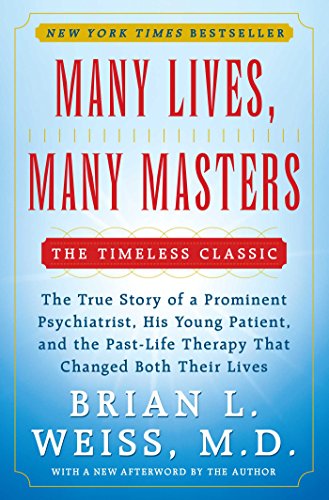
As an Amazon Associate, Reincarnatiopedia earns from qualifying purchases.
Related Articles
- Past Life Regression for Healing
- Healing Phobias Through Past Life Regression: Case Studies
- Regression Therapy for Past Life Trauma Release
- How to Choose a Past Life Regression Therapist
- How to Find a Qualified Past Life Regression Therapist
- Past Life Regression vs Hypnosis: What’s the Difference
- What Happens During a Past Life Regression Session
- What Is Past Life Regression — Complete Guide
- What Is Past Life Regression? A Complete Guide
- Dr. Brian Weiss and Past Life Therapy for Anxiety
Have a question about this topic?
Answer based on this article