Life Between Lives Therapy: What to Expect in an LBL Session
Life Between Lives (LBL) therapy is a specialized form of spiritual regression hypnotherapy that aims to guide individuals into a deeply relaxed state to access memories and experiences of the soul’s existence in the non-physical realm between physical incarnations. Developed and systematized by Dr. Michael Newton, a counseling psychologist and master hypnotherapist, this practice is predicated on the belief in reincarnation and the continuous existence of the soul. An LBL session is not a past life regression, though it may begin with one; its primary focus is the exploration of the «interlife» or «spirit world» state. The therapy is presented as a method for gaining profound personal insight, understanding life’s purpose, and resolving deep-seated emotional or spiritual questions.
Theoretical Foundations and Development
The practice is built upon the foundational work of Dr. Michael Newton, who, while conducting a routine [past life regression] in 1968, accidentally guided a client beyond their birth into a vivid experience of the spirit world. Intrigued, Newton began systematically exploring this phenomenon over decades, developing specific hypnotic techniques to access what he termed the «Life Between Lives.» He documented his findings and methodology in two seminal books, Journey of Souls: Case Studies of Life Between Lives (1994) and Destiny of Souls: New Case Studies of Life Between Lives (2000). Newton’s work posits a structured afterlife where souls rest, review, learn, plan future lives, and reunite with soul groups and spiritual guides.
Newton trained and certified practitioners through The Newton Institute (TNI), which he founded to maintain the standards and protocols of his method. While other hypnotherapists may offer interlife exploration, a certified LBL therapist follows Newton’s specific, non-leading methodology. The theoretical framework aligns with, but is more structured than, concepts found in other spiritual traditions and in the work of earlier researchers like Dr. Helen Wambach and Dr. Ian Stevenson, who focused more on the empirical investigation of past life memories.
Pre-Session Preparation and Prerequisites
A genuine LBL session is not typically a one-off experience. Responsible practitioners emphasize significant preparation. Most LBL therapists require clients to have undergone at least one or two preliminary [past life regression] sessions. This serves several purposes: it helps the client become comfortable with deep hypnosis, verifies their ability to access superconscious memories, and often resolves more immediate karmic or emotional issues that could act as distractions during the deeper LBL journey.
Clients are usually encouraged to formulate a list of profound, soul-level questions they wish to explore, such as questions about life purpose, relationship dynamics, unexplained fears or talents, and connections with significant people. A pre-session interview is conducted to discuss intentions, address fears, and establish rapport. The therapist will explain the process, demystify hypnosis as a state of focused awareness, and set the stage for a self-directed exploration.
The Structure of a Typical LBL Session
A full LBL session typically lasts 3 to 4 hours, allowing ample time for induction, exploration, and integration. The process generally follows a recognizable sequence, though individual experiences vary widely.
Induction and Past Life Gateway
The session begins with a hypnotic induction, using progressive relaxation and guided imagery to help the client enter a very deep trance state, often referred to as the somnambulistic state. Once deeply relaxed, the therapist does not suggest specific scenes but uses open-ended prompts to guide the client back to a relevant past life. This life often has a direct bearing on the client’s current questions or challenges. The client describes sensations, emotions, and events, often experiencing the death of that lifetime. This past life segment acts as a gateway, releasing the soul from its attachment to a specific physical body and preparing it to return «home.»
Transitioning to the Spirit World
The critical transition occurs after the past life death experience. The therapist guides the client to move upward and away from the earthly plane, often using metaphors like floating into light or traveling through a tunnel. Clients commonly report a feeling of immense relief, lightness, and joy upon shedding the physical body. The therapist then uses key prompts to facilitate entry into the spirit world, such as, «Sense who is there to greet you,» or «Allow yourself to arrive in the place where you belong.»
Core Components of the Interlife Experience
Once in the interlife state, the exploration follows several common phases, though not always in a linear order. The therapist acts as a facilitator, asking open questions and encouraging detailed description.
1. The Welcoming Committee and Soul Group: Most clients report being met by one or more spiritual beings—often perceived as a primary guide, a loved one, or a group of radiant souls. These are typically identified as members of their permanent [soul group], souls with whom they share a deep, eternal bond and reincarnate across lifetimes. Reuniting with this group is frequently described as the most emotionally powerful part of the experience.
2. The Council of Elders / Life Review: A central feature in Newton’s work is the encounter with a group of wise, advanced beings often called the Council of Elders or Masters. Before this council, the soul participates in a review of the past life just lived. This is not a judgment but a compassionate, objective analysis of actions, lessons learned, and opportunities missed, focused on growth and understanding.
3. Learning and Planning: Souls describe engaging in various activities: resting in a state of pure energy or light, learning in non-physical «places of learning,» healing from earthly trauma, and, crucially, planning the next incarnation. This planning involves choosing a life blueprint, primary lessons, key relationships (soul agreements), and even physical challenges for the purpose of soul evolution. The concept of free will is emphasized; the soul chooses its path.
4. Connection with the Oversoul or Higher Self: Some clients experience a merging with or perception of a vaster, more profound aspect of their own consciousness, sometimes called the Oversoul. This can provide a sense of ultimate identity and connection to the divine.
Return and Integration
The therapist gently guides the client back to full waking consciousness, allowing time to reorient. A crucial post-session discussion follows, where the therapist helps the client process the symbolic and literal meanings of the experience. Clients are given a recording of the session for later review, as integration of the insights often continues for weeks and months. The profound awareness of being an eternal soul with a purpose can lead to significant reductions in the fear of death, greater self-acceptance, and clarity in life direction.
Perspectives and Considerations
The Research Perspective
From an academic standpoint, LBL therapy resides outside the scope of conventional empirical science. The evidence is anecdotal, based on subjective client reports. However, Newton and his successors point to the high degree of consistency in descriptions of the spirit world across thousands of cases from diverse cultural and religious backgrounds as indicative of a genuine phenomenon. Researchers like Dr. Julie Beischel at the Windbridge Research Center have begun applying rigorous protocols to study mediums, which touches on related areas of afterlife studies, but direct scientific study of the LBL state remains challenging due to its subjective nature.
Therapeutic Outcomes and Criticisms
Proponents report significant therapeutic benefits, including resolution of grief, understanding of relationship dynamics, alleviation of existential anxiety, and enhanced spiritual well-being. Critics, including some within the hypnotherapy field, argue that the experiences are products of the subconscious mind, shaped by client and therapist expectations, cultural influences, and suggestions embedded in the questioning process. They caution against taking the details of the experience as literal truth. Ethical practitioners emphasize that LBL is a form of spiritual exploration, not a substitute for medical or psychiatric treatment for mental health conditions.
Variations and Modern Practice
Since Newton’s passing, The Newton Institute continues to certify practitioners in his original method. Other schools of hypnotherapy, such as those influenced by Dolores Cannon‘s QHHT (Quantum Healing Hypnosis Technique), also explore interlife spaces but with different philosophical underpinnings and techniques. The core experience—accessing a superconscious state that reveals information about non-physical existence—remains a common thread.
In conclusion, a Life Between Lives session is a structured, profound journey into a hypothesized spiritual realm. Regardless of one’s interpretation of its reality, clients consistently describe it as a transformative experience that provides a powerful, personally meaningful framework for understanding life, death, and purpose. The process demands a skilled facilitator and a willing, prepared participant, with the ultimate goal of gaining wisdom from the perspective of the eternal soul.
See Also
- [Michael Newton]: Founder of the Life Between Lives methodology.
- [Past Life Regression]: The therapeutic technique often used as a precursor to LBL.
- [Soul Group]: A cluster of souls that reincarnate and learn together across lifetimes.
- [Ian Stevenson]: A pioneering researcher in the empirical study of reincarnation cases.
- [Afterlife Studies]: The broader field of research into consciousness after death.
Related Articles
- What Happens During a Past Life Regression Session
- What Happens During a Past Life Regression Session
- Regression Therapy for Past Life Trauma Release
- Past Life Progression: Viewing Future Lives
- Michael Newton and Life Between Lives
Disclosure: As an Amazon Associate, Reincarnatiopedia earns from qualifying purchases. This helps support our research and publishing at no extra cost to you.
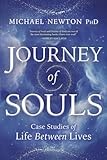
Journey of Souls: Case Studies of Life Between Lives
Michael Newton, Ph.D.
★★★★★ (4,800+ reviews) · $13.99
Newton’s landmark work — 29 case studies of people under hypnosis recounting their experiences between lives. The book that launched the field of Life Between Lives research.

Destiny of Souls: New Case Studies of Life Between Lives
Michael Newton, Ph.D.
★★★★★ (4,200+ reviews) · $11.50
The sequel to Journey of Souls — 67 new cases exploring soul groups, life planning, the Council of Elders, and soul advancement levels in the spirit world.

Life Between Lives: Hypnotherapy for Spiritual Regression
Michael Newton, Ph.D.
★★★★★ (900+ reviews) · $13.36
The professional guide to Newton’s LBL hypnotherapy method — used by certified practitioners worldwide to help clients explore their soul’s journey between incarnations.